Commission
selling.
How to sell an owner’s car
and earn an agreed fee.
Find the right car. Agree the job. Prepare the advert. Handle the sale.
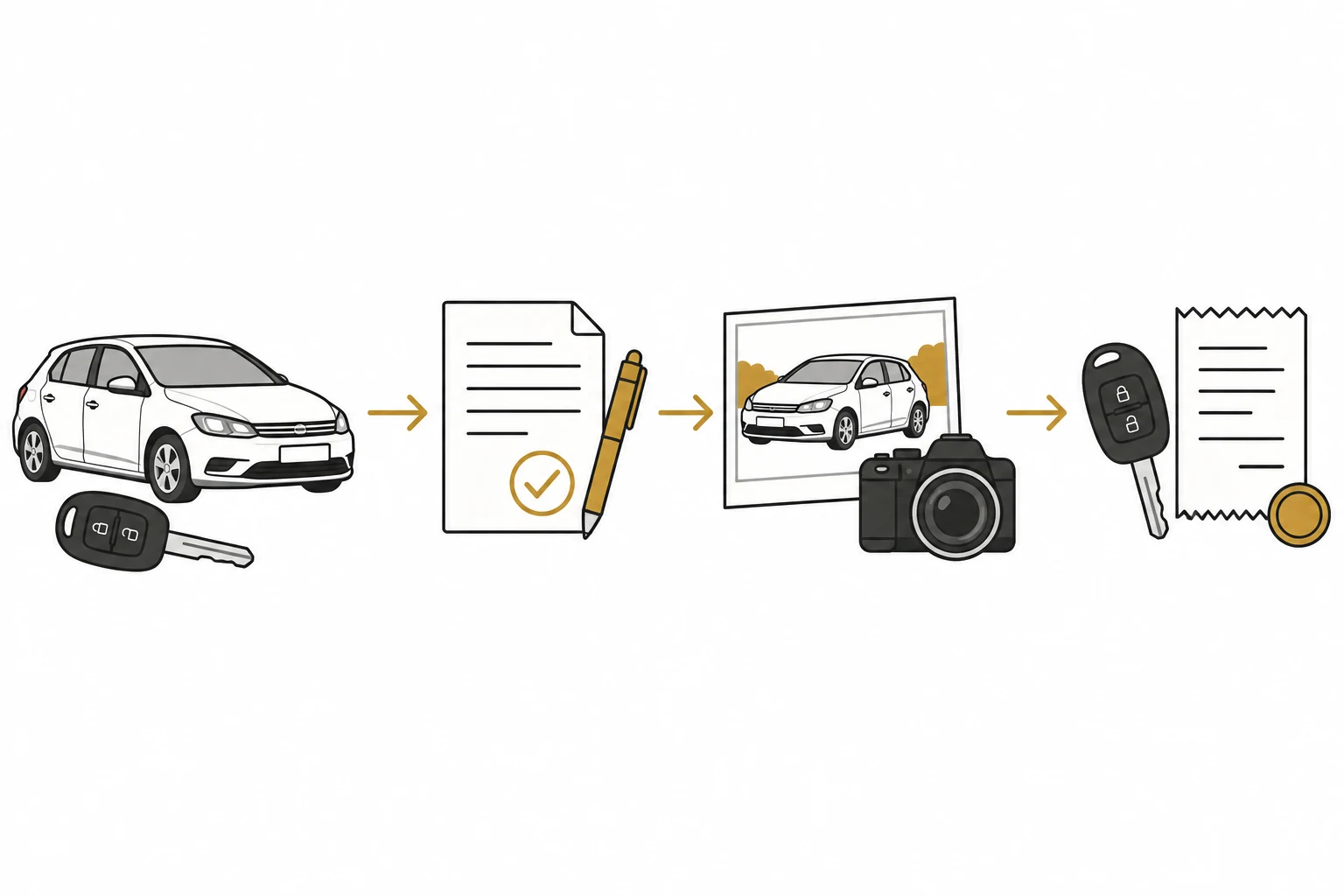
What you’re being paid to do
An owner has a car to sell, but doesn’t want to deal with the photos, messages and viewings. You take on an agreed part of that work. They pay you a fee under the terms you both signed.
The car still needs to be worth buying at a price the owner will accept. Better photos can help a buyer understand it. They won’t fix a bad car or an unrealistic price.
This guide follows an arrangement where the owner keeps the car, approves the sale and receives the buyer’s payment. If you plan to hold stock, take deposits or sign for the owner, your setup needs to cover that too.
Set up properly before taking a client. Check the registration, insurance, tax and agency rules where you work, and have your service agreement checked locally. The seller’s identity and your role must be clear to the buyer.
Choose a car you can actually help sell.
Start with a model you know, close enough to view without losing half a day travelling. Look through local classifieds for a reasonable car held back by a weak advert: dark photos, missing details or no useful description.
Then compare it with similar cars. Match the engine, gearbox, year, mileage and history. Three genuinely comparable adverts are more useful than ten loosely similar ones. Asking prices are a starting point, not proof of what cars sell for.
Worth a call
- You know the model and can explain why a buyer would choose it.
- The owner has the documents and can arrange a viewing.
- There is something specific you can improve.
- The expected sale price leaves room for the owner’s proceeds and your fee.
Leave it alone
- The owner wants more than similar cars before adding your fee.
- Ownership, finance or major faults cannot be explained.
- You are being asked to hide damage or pretend to be a private seller.
- The travel and work would use up most of the fee.
Your first shortlist: save three adverts. Beside each, write the owner’s price, two or three comparables and exactly what you would improve. “I’ll sell it better” is too vague.
Find out what the owner needs.
Call before offering a fee or booking a visit. An advert can look neglected because the owner is busy. It can also be neglected because the car has a problem they haven’t mentioned.
Start with the car, then ask about the sale. Listen before pitching.
A simple way to open the call
“Hi, is the Golf still available? I help owners with the photos, advert and enquiries. Before I explain that, can I ask how the sale has been going?”
- “What happened with the last few enquiries?”
- Find out whether there are no enquiries, repeated no-shows, rejected offers or a problem buyers discover at the viewing.
- “What does the next buyer need to know about the car?”
- Ask about faults, damage, service records, keys, finance and why it is being sold. Confirm who owns it and has authority to sell.
- “What would you need to receive after my fee?”
- Get an actual amount. Also ask whether there is a deadline. A fixed price and an urgent sale can be difficult to reconcile.
- “Would you be comfortable approving the advert and signing off the terms?”
- If the owner will not agree on price, responsibilities and honest disclosure, do not book the work.
HK on owners who say no
“Always be kind. Try to not take no for an answer, try to persuade them. But if you can’t, just say, ‘Okay, have a good day. Bye-bye.’”
Most owners will say no, and that’s normal. HK doesn’t call one owner, he calls 10 or 20. Don’t push someone who has clearly decided; the next advert is already waiting.
Finish with a short recap: the car, the owner’s expected proceeds, the work they want and the next appointment. Send that recap so neither of you relies on memory.
Offer a job with clear limits.
Tell the owner what you will do, what they still need to do and when you will review the result. A small, well-defined job is easier to agree on than “I’ll handle everything”.
The owner doesn’t know you yet, so don’t ask them to hand over the keys. HK’s answer: “We can wash it together if you don’t trust me.” Do the first clean and photos at the owner’s place, with them there. Agree any driving, storage or custody separately, with the right cover.
Preparation and advert
One agreed clean, a complete photo set, a written advert and the owner’s approval before it goes live.
Enquiries and viewings
Who answers messages, where viewings happen, who attends and which decisions need the owner’s approval.
A review date
Choose a date to look at enquiries and agree what happens next. A two-week review is a planning choice, not a promise to sell in two weeks.
Explain it plainly
“I’ll prepare the photos and advert, answer the enquiries and arrange viewings. You keep the car and approve the final deal. Let’s agree the fee, any expenses and what happens if it doesn’t sell before we start.”
Do not promise a higher selling price just to win the job. If the owner is happy with the current advert and only wants a price the market won’t support, there may be no useful job for you.
Agree the money before doing the work.
“I want €17,000 for it” is not a fee agreement. Does the owner mean the advertised price, or the amount left after your fee and expenses? Ask now, not when a buyer is waiting.
A fixed fee is easy to explain. A percentage can work too, but say what it is calculated on. Write the total payable, including how any applicable VAT is treated.
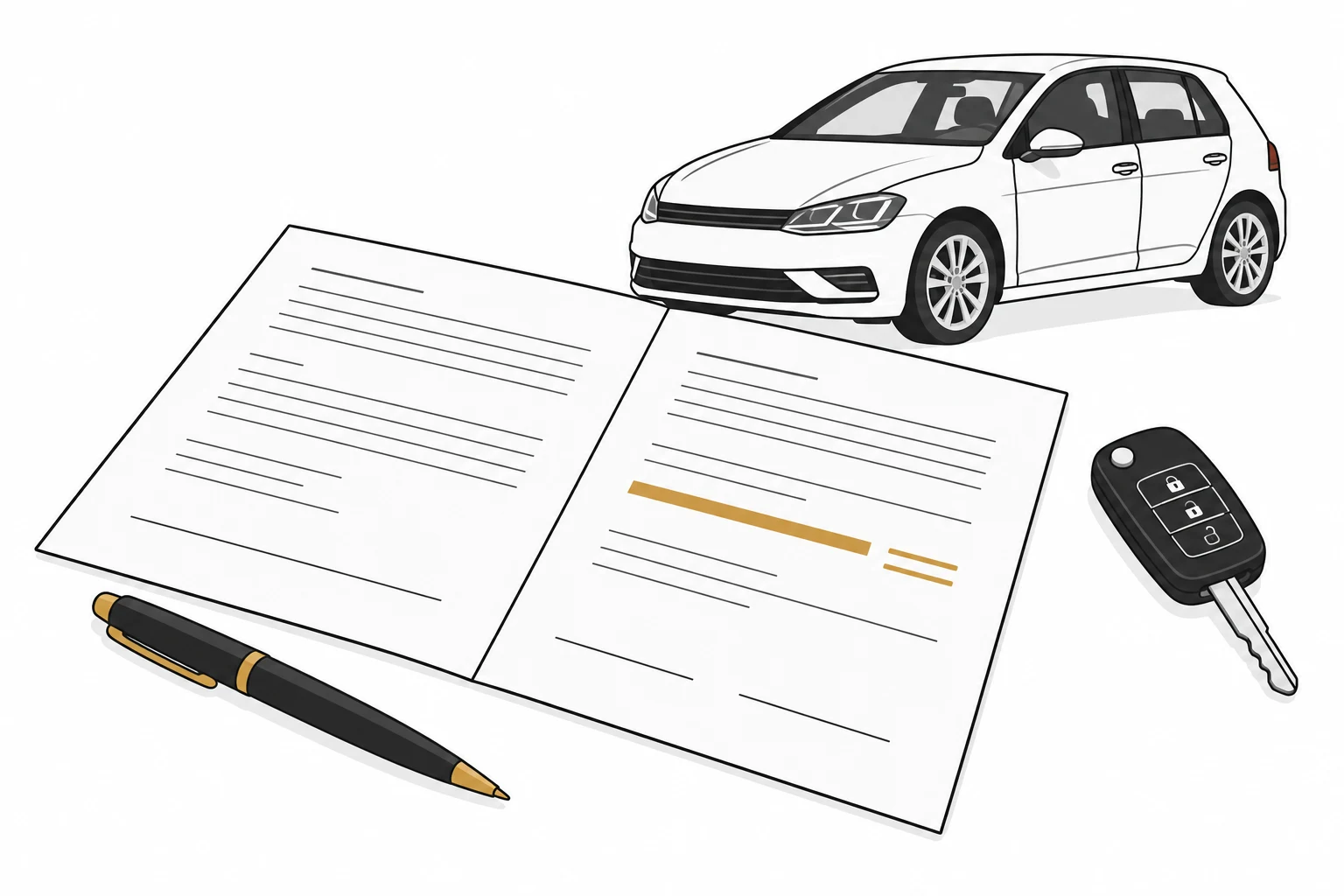
The car and the people
Record the vehicle identification, owner’s details and authority to sell. State who is selling the car and what you are authorised to do.
The work and expenses
List the work included, any limits on viewings or revisions, who pays each expense and the spending limit. Decide which costs remain payable if it does not sell.
The price and your fee
Write the asking price, owner’s agreed proceeds, negotiation limit and fee. For example, you might agree that the fee becomes due once the sale is completed and the owner has confirmed full payment. Set a due date and payment method too.
How the arrangement ends
Agree the term, cancellation, exclusivity and what happens if the owner sells directly or a buyer you introduced returns later. Include advert, document and test-drive permissions.
HK’s example, worked through
In HK’s video the car is advertised at €17,000 and the fee is €500 or €1,000, depending on how well you negotiate. The fee comes out of the sale price. So with a €500 fee, write down the owner’s minimum: €16,500 in their pocket.
Now every offer has a clear answer. €17,200 leaves the owner €16,700: above their minimum, so you take it to them. €16,800 leaves €16,300: below it, so it needs their say-so or you decline. Nobody has to argue about it with a buyer waiting.
If the owner insists on €17,000 after your fee, the car has to sell for €17,500. Check the comparables before you say yes to that. Adding your fee to the price doesn’t make a buyer pay it.
Record the condition. Then clean it.
Before touching the car, walk around it with the owner. Photograph existing damage, note the mileage and check which keys and documents are there. Keep that record with the job.
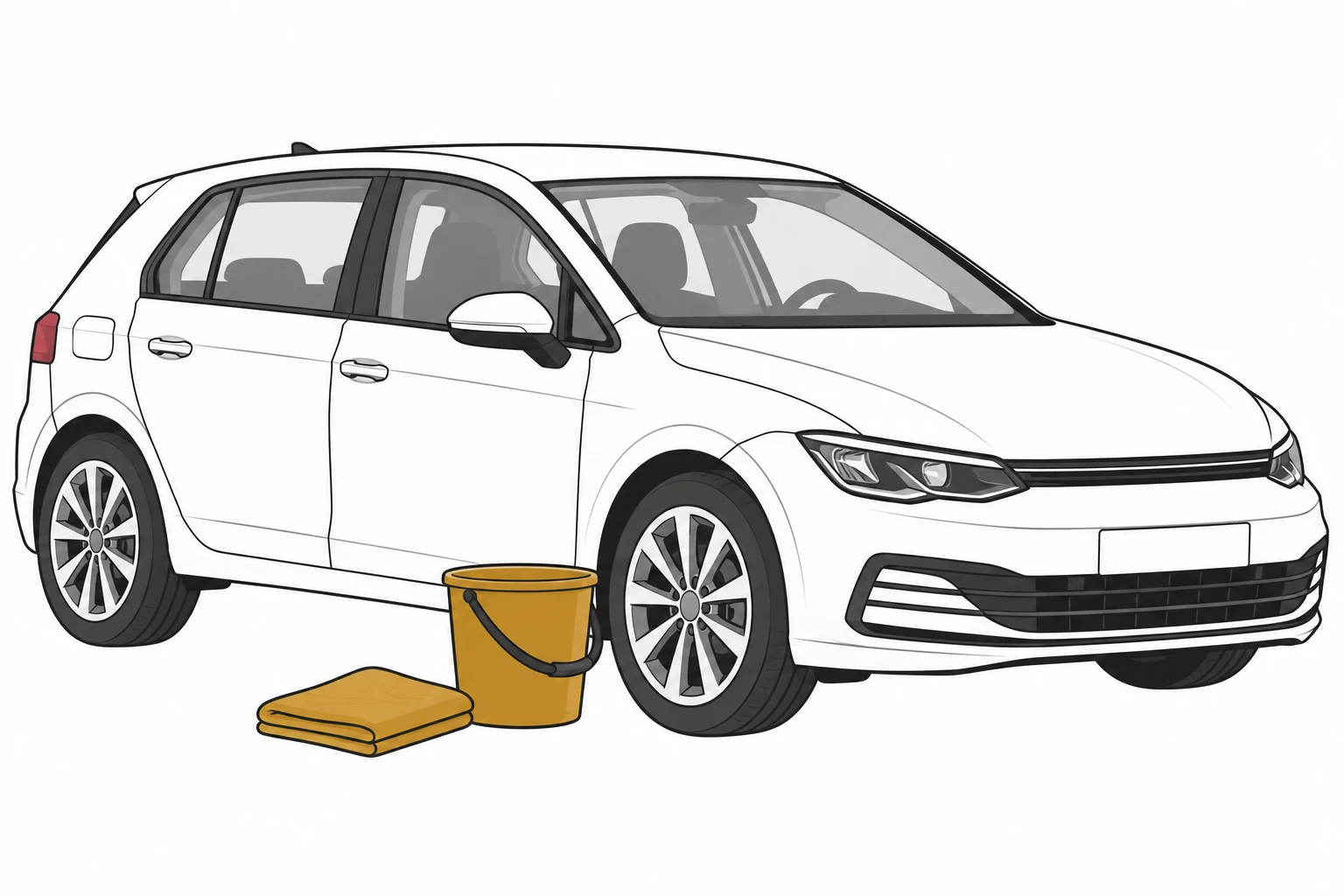
Agree a sensible clean and a budget. You are preparing it for sale, not taking on an open-ended restoration.
Do the basics well
- Clean the body, wheels and glass.
- Vacuum the cabin and boot. Remove belongings with permission.
- Leave the seats, mats and luggage area tidy and dry.
- Put approved work and receipts in the job record.
Do not clean away the question
- A damp carpet needs an explanation, not just a dry mat.
- A warning light needs recording and investigation.
- A strong smell may have a cause beyond a dirty cabin.
- Damage remains part of the car’s condition after a polish.
Send the owner the condition notes and any new questions. If a fault needs checking, agree who will arrange it and pay for it before you spend more time on the advert.
Make the advert answer the obvious questions.
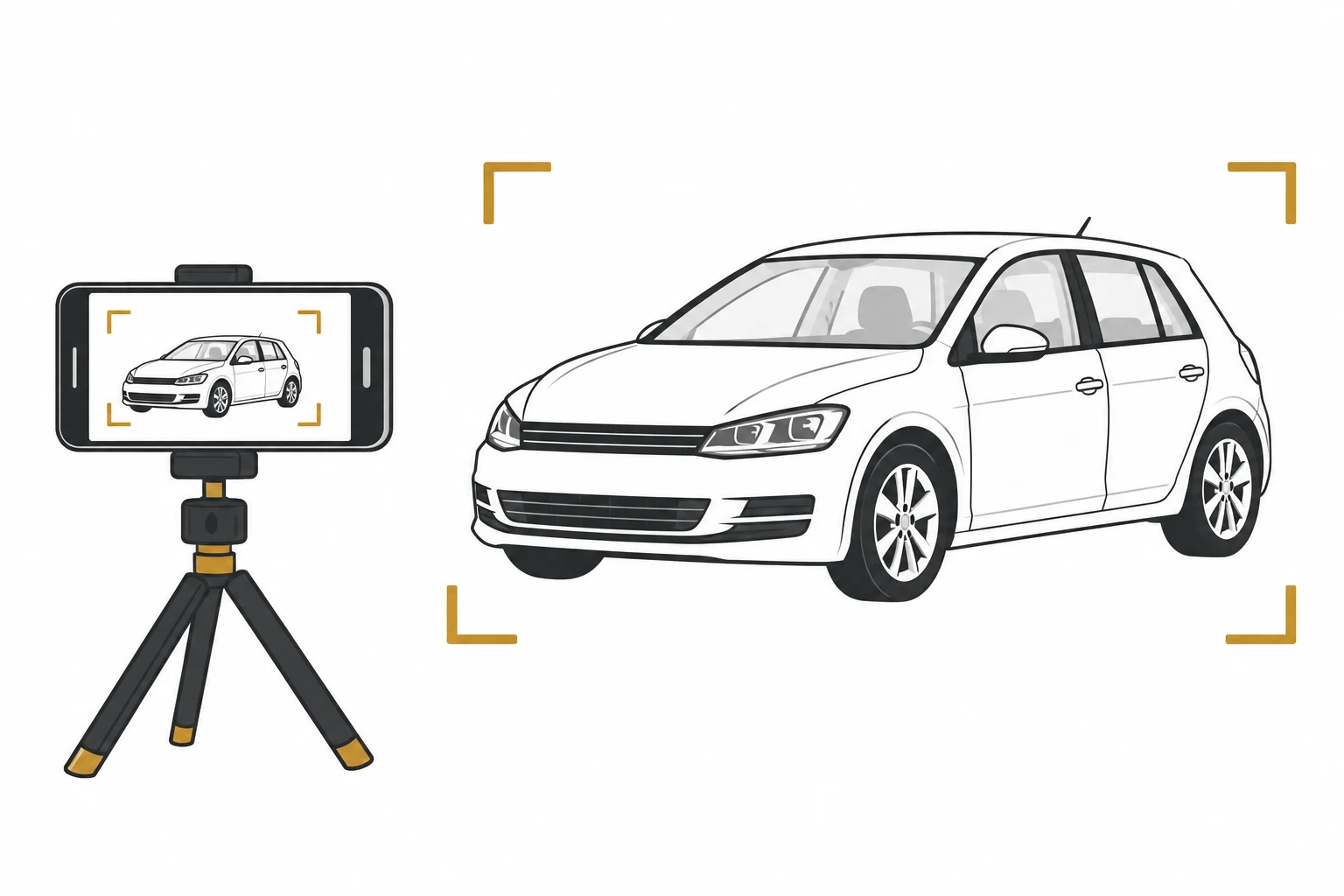
Photograph the whole car in even light with a quiet background. Check the pictures before leaving. It is frustrating to discover later that every interior shot is dark or the dashboard mileage is unreadable.
Lead with a clear three-quarter photo. Add both sides, the rear, all four wheels, front and rear seats, dashboard, boot, useful equipment and close-ups of the marks you disclose.
Not sure about the engine or gearbox? Don’t guess from the badge. HK’s tip: take the engine code from the car’s registration documents and look it up. That gives you the exact power, engine and specs. AI can help you word the description, but only from facts you’ve checked.
Cover the exact model, engine and gearbox, registration year, mileage, service evidence, equipment, known issues, keys, price and viewing location. Make the seller’s identity and your role clear. For the photos themselves, follow HK’s phone photography blueprint.
Before publishing, send the owner the exact text, photo set and price. Keep their approval. Agree which account and seller category to use, and remove or update the old advert so buyers do not find two different stories.
Handle enquiries without giving away the deal.
Answer the question the buyer actually asked. If you do not know, check with the owner. Guessing about a gearbox, service item or previous repair creates a problem you didn’t need.
Before booking a viewing, confirm that the buyer has read the condition details, understands the asking price and can make the time. Share the location and contact arrangements you agreed with the owner.
HK’s first-week rule
“You can always lower the price, but you can never take the price up. Once you put the price at 17, you can’t tell the client, ‘No, now it’s 18.’”
So for the first week HK advertises a little high: the €17,000 car goes up at €17,900. With proper photos and a proper description, sometimes someone pays it. If it hasn’t sold after a week, drop back to €17,000. Agree both prices with the owner before the advert goes live, so the drop isn’t a surprise.
When the first message is “best price?”
“It’s advertised at €17,900. Have you had a look through the condition notes and photos? If it suits what you’re after, we can arrange a viewing. I’ll put any offer to the owner.”
Keep a short enquiry log: buyer, contact, question, viewing time, offer and next action. Do not promise a discount outside the range the owner approved.
If it isn’t moving, diagnose the problem.
- Hardly any advert views: check that the listing is live, in the right category and visible in the relevant searches.
- Views but few messages: revisit the price, opening photo and missing information. Compare against the current alternatives.
- Messages but no viewings: check whether your replies answer the questions and make booking straightforward.
- Viewings but no offers: ask what stopped the buyer. The issue may be condition, price or a mismatch between the advert and the car.
Send the owner a useful update
“The advert had [views], with [enquiries] and [viewings]. The repeated question is [issue]. I suggest [change]. Shall we agree that before I update the advert?”
After the first-week drop, pick a review date rather than changing the price every time a message goes quiet. Any further reduction has to respect the owner’s minimum, your fee and the permission you have.
Get approval, payment and handover in order.
Before a viewing, have the condition notes and available records ready. Explain your role at the start. Agree test-drive permission and insurance beforehand, and leave room for an independent inspection.
Once there is an offer, write down the whole deal: price, any work promised, what is included and the proposed handover date. Get the owner’s approval before telling the buyer it is agreed.
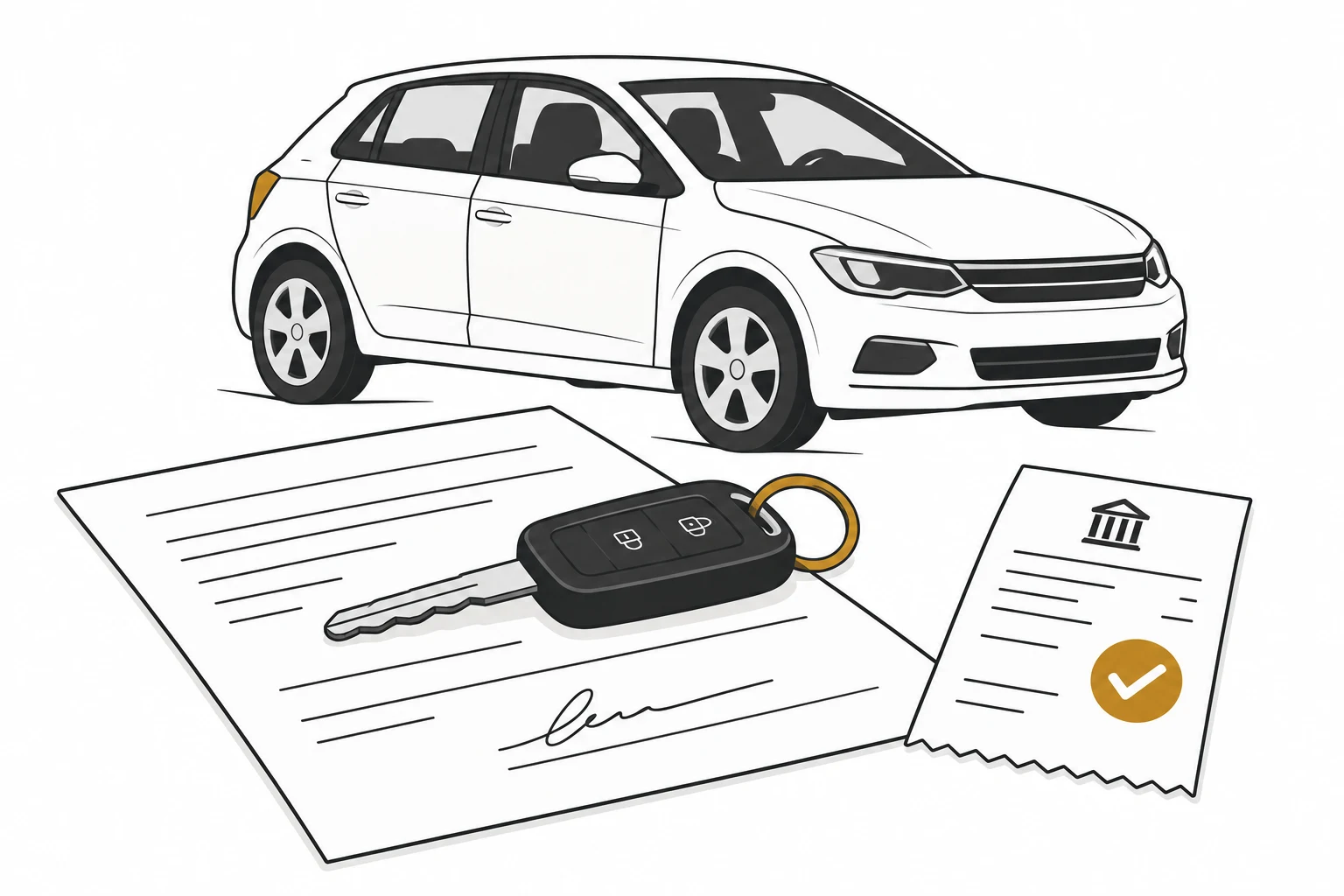
- Use the agreed sale paperwork.Record the actual seller and buyer, vehicle, price, disclosed condition, included items and any work still to be done. The paperwork must fit the arrangement and local requirements.
- Keep the payment route clear.Buyer pays the owner→Owner pays your fee
This is the route used in this guide. Do not improvise by routing the buyer’s money through your personal account.
- Confirm the money with the bank.The owner should verify receipt using their own bank and its process. A screenshot or email shown by the buyer is not enough.
- Complete the transfer and handover.Follow the local transfer requirements before releasing the car. Record the date, time, mileage, keys, documents and agreed items, with acknowledgement from the parties.
Be clear about who is selling from the first advert to the final paperwork. Acting for a private owner does not automatically remove your responsibilities. Have the actual arrangement checked locally; calling it a commission sale is not enough.
Check what the job really earned.
Invoice the fee when the agreed payment trigger is met. Reconcile the expenses, record the payment and close the job file. Do this while the sale is still fresh, rather than chasing an informal promise later.
Then add up the time as well as the costs: calls, travel, cleaning, photos, messages, viewings and handover. That is what tells you whether to take another job like this.
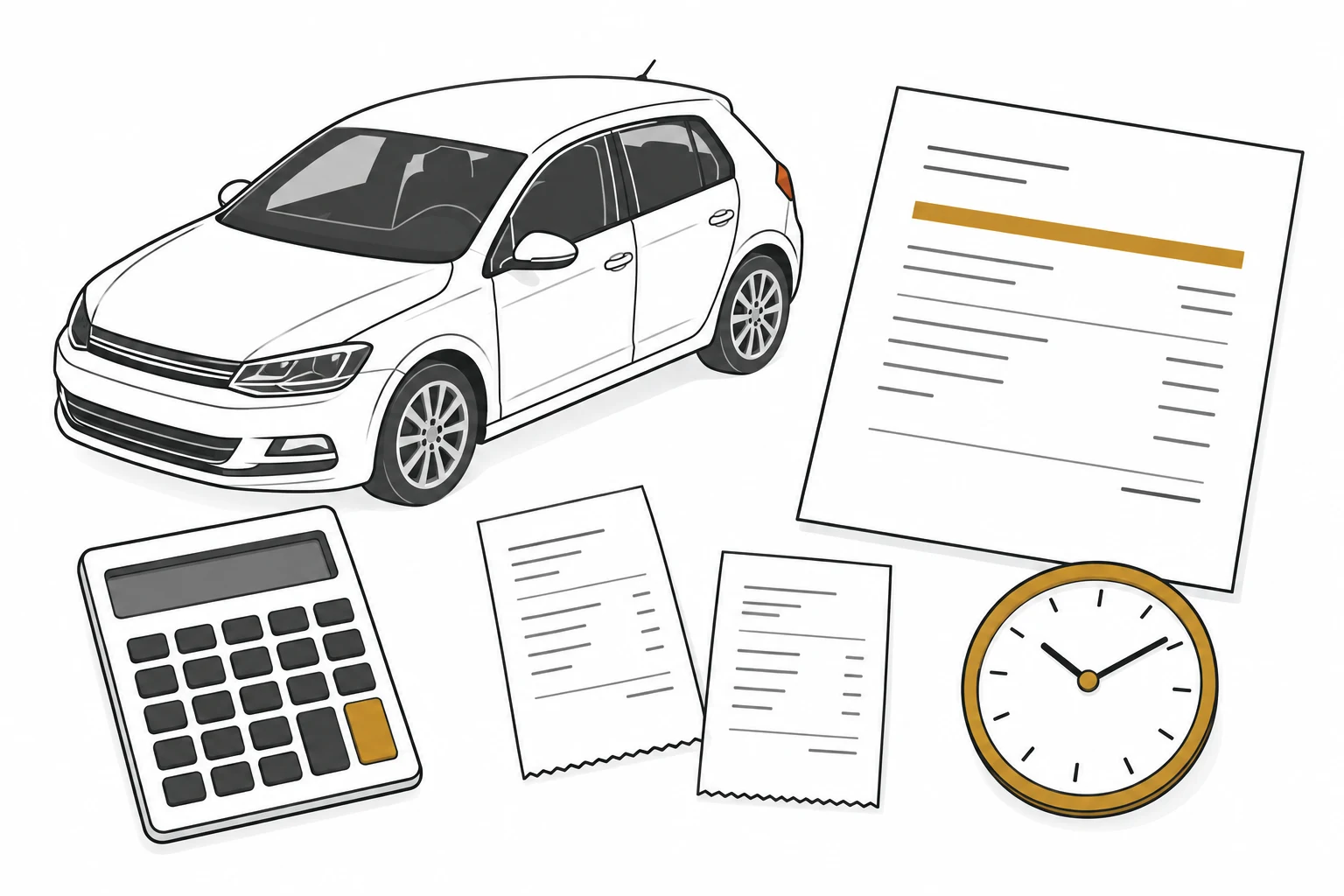
€500 collected is not €500 earned.
Suppose you collect a €500 fee and spend €110 on travel, cleaning and adverts. That leaves €390 before tax and other business costs. If the whole job took seven hours, that is about €56 per hour before those costs. If it took fourteen hours, it is about €28.
These are illustrative figures. Use your own costs and hours. If the job did not sell and no fee became due, include that unpaid time when you assess the model.
Ask the owner for a short review of the work you actually delivered. Get permission before sharing their car, identity or results. Keep their private documents out of any before-and-after post.
Your first week.
Start with three adverts. Pick three local cars you understand, compare their prices and write one specific improvement for each. Call the strongest lead and find out whether the owner wants help on terms that make sense for both of you.
Once the process feels familiar, make it a weekly rhythm. As HK puts it: “You don’t do that with one car only. You call 10, 20 people.” Shortlist 10 to 20 adverts, call every owner, and take on the ones who say yes. Most will say no. HK puts a wash and a photo session at one to three hours per car, so the calling is where your time really goes.
Before doing the clean or publishing anything, you should be able to answer: What am I doing? What can I spend? Who can accept an offer? When do I get paid? What happens if it doesn’t sell?