There is no useful Europe-wide blacklist of badges. A good model with the wrong engine, an unproven battery or the wrong local buyer can still be a terrible stock purchase.
This guide uses manufacturer policies, recall notices, ADAC technical reports, TÜV inspection findings and dated market data. The buying gates are our editorial judgement. They are not a statistical ranking of the “least reliable” cars.
01
Identify the version.
VIN, engine, gearbox, build date and battery contract. An advert’s badge is not enough.
02
Bound the downside.
Inspect, diagnose, get the whole job quoted. A service stamp is not a repair invoice.
03
Know the buyer.
Local range, emissions access, finance and price matter more than a national headline.
Stop before negotiating
Unclear title or battery ownership, unresolved safety restrictions, suspected emissions tampering, inconsistent identity documents, or a seller refusing an independent inspection: resolve the issue before paying.
The 12 buying traps.
Pass on the uncertainty. Reconsider the evidence.
12 dossiers
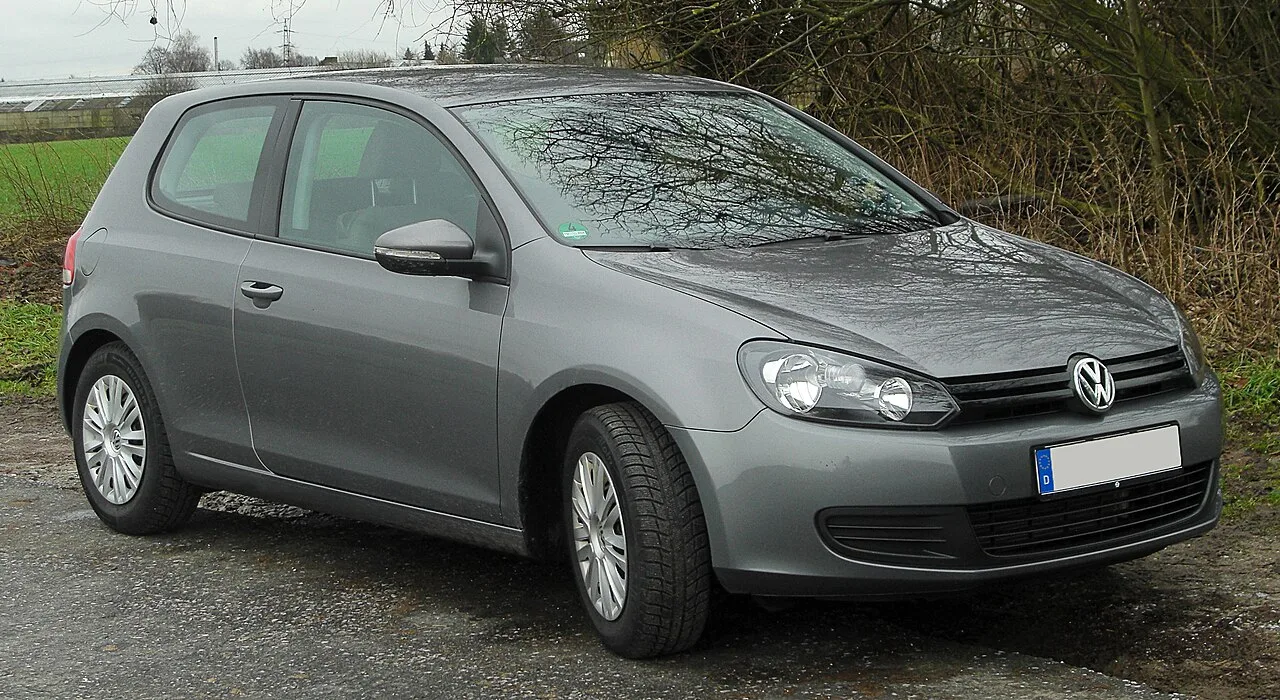
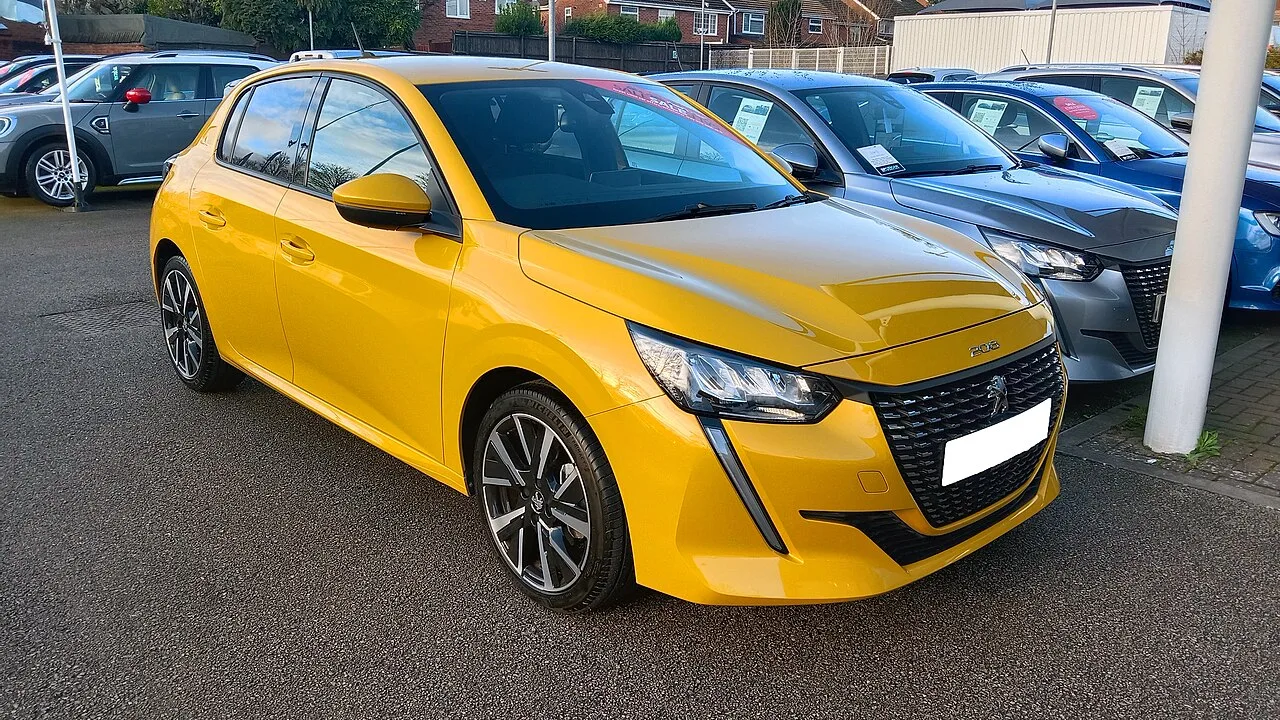
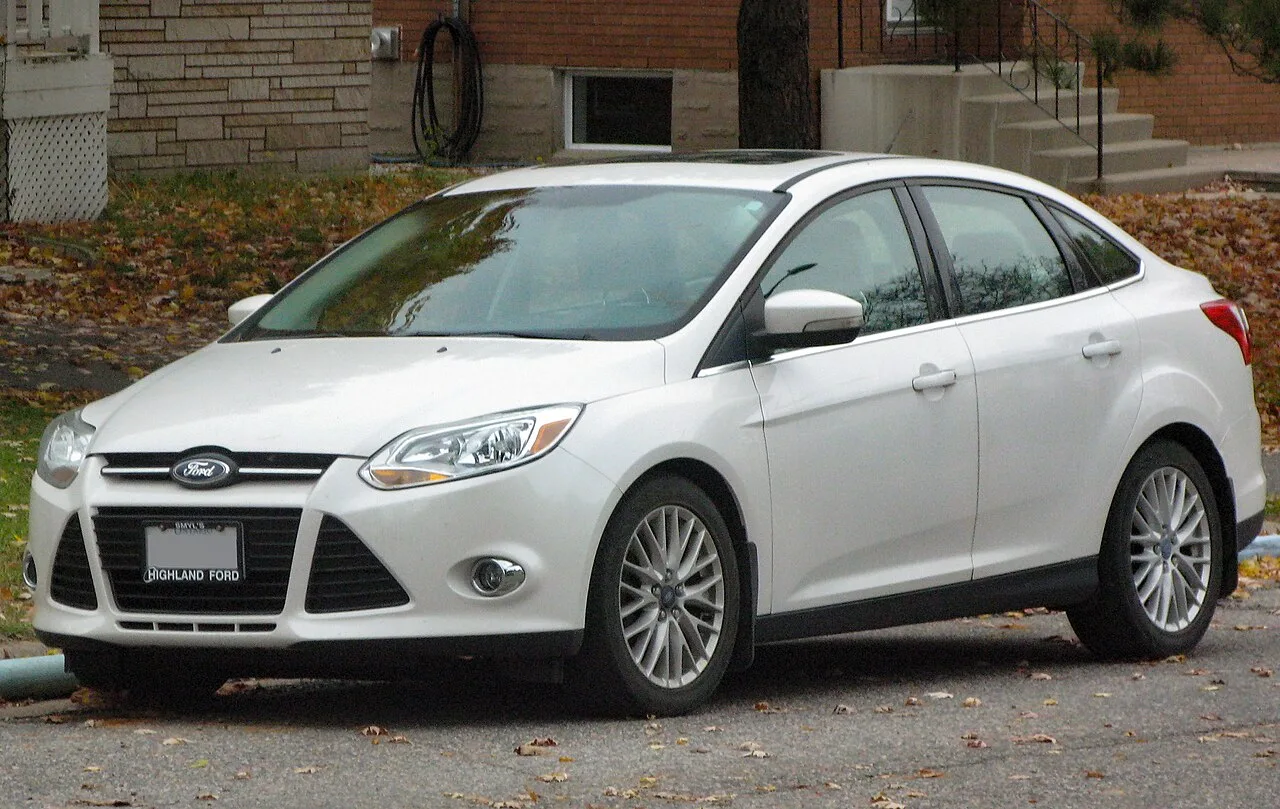
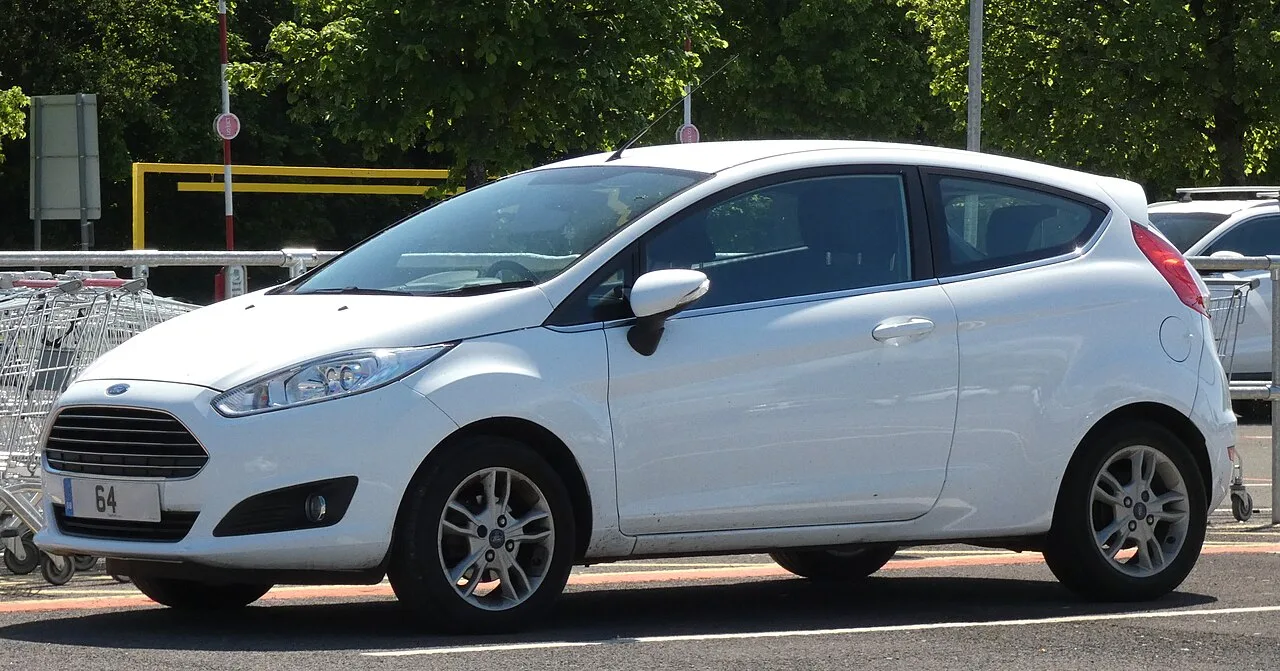
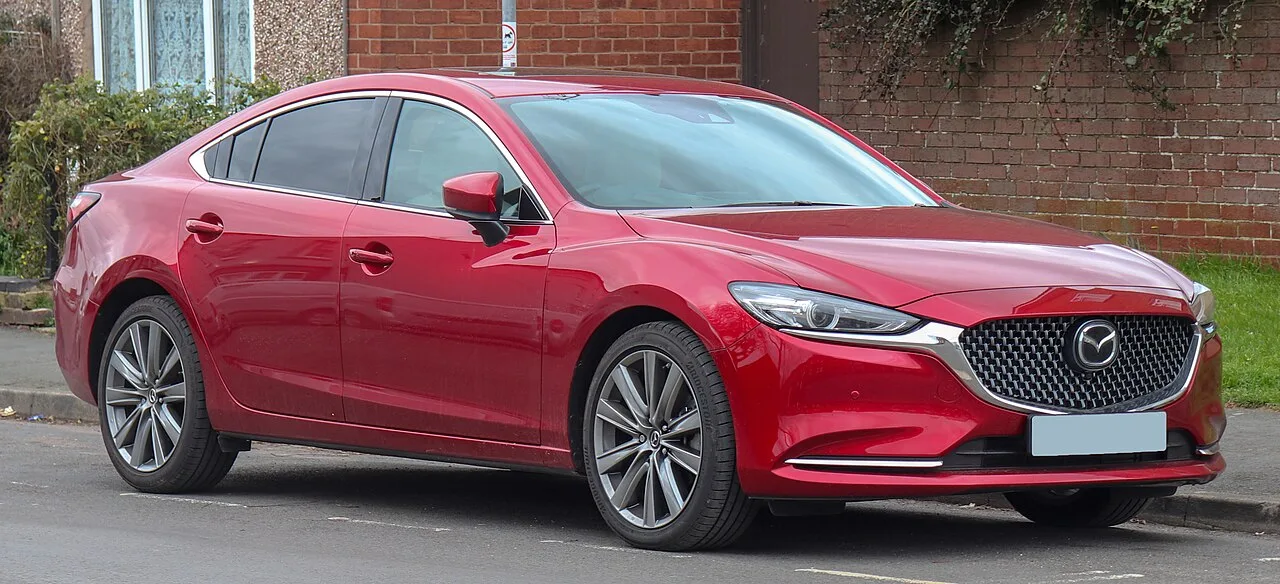
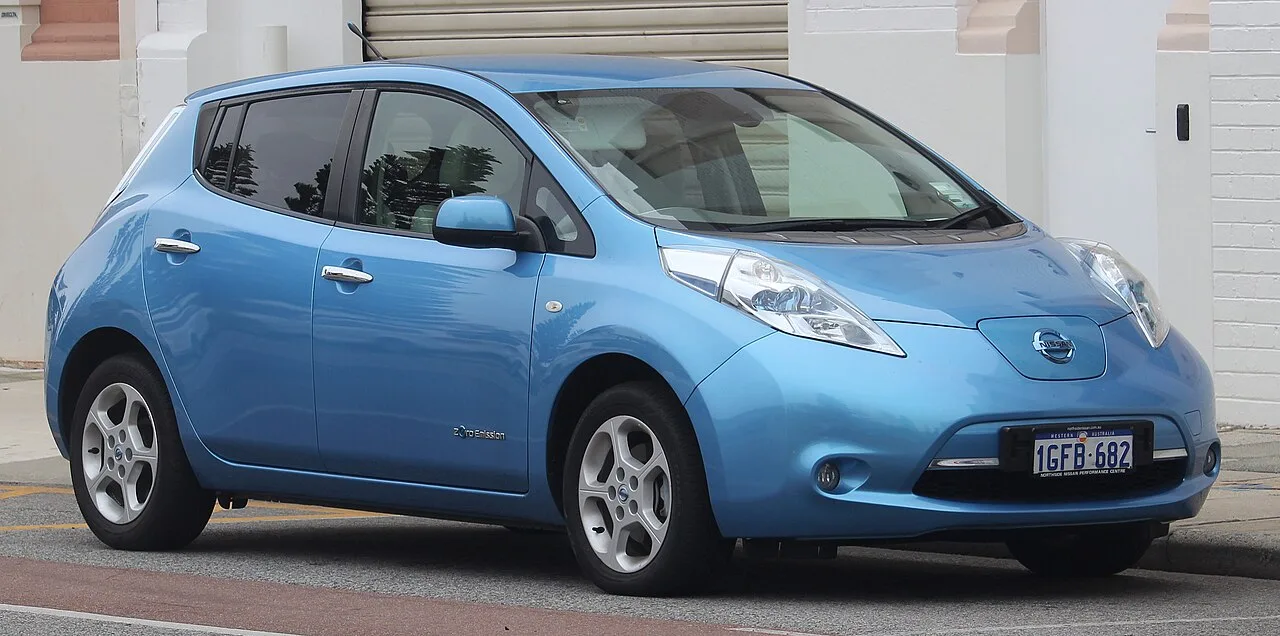
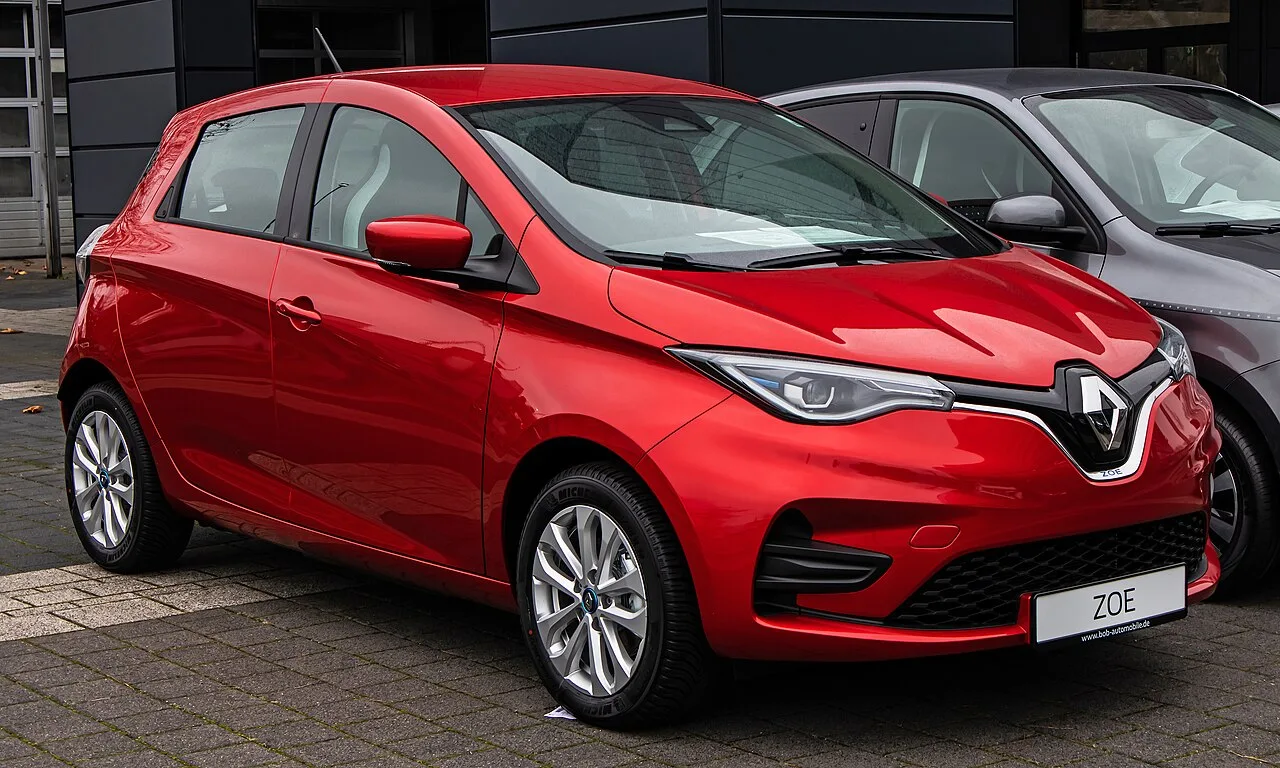
Photos illustrate the model and may show a different engine, trim or market version. They do not identify an affected VIN.
Earlier EB-family wet-belt engines; verify production date and exact version
Stellantis acknowledges excessive oil consumption and premature belt degradation on previous-generation engines. Its UK eligibility document specifies different production windows for belt and oil-consumption issues; those windows are not interchangeable. [1][2]
History missing? Pass.
What to verify before you buy +
Why the margin is exposed
A low asking price does not price the condition of the belt, oil system or engine. Conditional manufacturer support is not the same as an approved claim you can sell with the car.
Verify before paying
Match the VIN, engine production and timing-drive design.
Obtain detailed oil-service invoices, belt inspection/replacement records and a specialist’s diagnosis.
Ask the authorised network to confirm support eligibility and any remaining work in writing.
What would change the verdict?
A clean diagnosis, traceable maintenance and a documented remedy, with every remaining job quoted before bidding.
Don’t confuse it with…
Do not label every Peugeot 208, every 1.2 engine, or every later chain-driven hybrid as the same risk.
DV5 engines produced October 2017–January 2023; check by VIN
Stellantis identifies camshaft-chain issues in earlier 1.5 BlueHDi engines and announced extended special coverage in July 2025, subject to conditions. [3]
Resolve the chain question first.
What to verify before you buy +
Why the margin is exposed
An outstanding campaign, uncertain repair eligibility or parts delay can swallow the planned turnaround time. A service stamp alone does not establish which chain configuration is fitted.
Verify before paying
Get the dealer’s VIN campaign printout.
Ask whether the applicable inspection or repair is complete and obtain the actual invoice.
Confirm maintenance compliance and who pays for any remaining work.
What would change the verdict?
Written confirmation of completed applicable work, a satisfactory inspection and a clear cost/lead-time position.
Don’t confuse it with…
A camshaft-chain concern does not mean the whole engine has a chain-only timing system. Avoid inferring fitment from registration year.
Euro 5 H5FT / H5 engines; reported engine-build window 1 Oct 2012–20 Jul 2016
UFC–Que Choisir reports excessive oil consumption that can progress to engine damage on the identified H5FT production period. This is documented consumer-action evidence, not a measured failure probability for every car. [4]
Oil-use story unclear? Pass.
What to verify before you buy +
Why the margin is exposed
An engine can drive acceptably during a short viewing while its oil-use history remains unknown. That is a poor basis for a tight-margin retail flip.
Verify before paying
Check engine code and manufacture date, not just the Clio or Qashqai badge.
Ask for measured oil-use history, diagnosis and repair records.
Have a specialist assess symptoms and the scope of any replacement engine.
What would change the verdict?
An identified, documented remedy and an independent assessment you can confidently explain to the next buyer.
Don’t confuse it with…
Do not apply this engine finding to the later 1.3 TCe, the naturally aspirated 1.2, or all Renault petrol cars.
Golf VI-era petrol applications; exact engine identification required
ADAC’s Golf VI petrol guide warns about TSI timing-chain damage and recommends listening for rattles and favouring documented chain work when in doubt. [5]
Chain evidence before negotiation.
What to verify before you buy +
Why the margin is exposed
Popular model, wrong engine history: strong Golf demand cannot protect the margin from an unresolved timing-drive fault.
Verify before paying
Confirm the engine family: the TSI badge is not enough.
Arrange a genuinely cold start and specialist inspection; a quiet start is not a guarantee.
Check the invoice scope and parts used for any previous timing-drive repair.
What would change the verdict?
A verified engine identity, sound specialist assessment and an invoice-backed repair where required.
Don’t confuse it with…
EA111 petrol chain concerns are not an EA189 2.0 TDI chain fault. Do not transfer this advice to EA211 belt-driven petrol engines.
DQ200 applications across VW, Audi, Škoda and SEAT
ADAC distinguishes the dry-clutch DQ200 from other dual-clutch gearboxes and discusses its history of problems. That does not establish that all DSG cars are defective. [6]
Shudder is a diagnosis, not a discount.
What to verify before you buy +
Why the margin is exposed
Cold-only or motorway-only demonstrations can hide an expensive low-speed drivability complaint. You need a defined fault and repair scope before pricing the car.
Verify before paying
Read the gearbox code; do not assume every 7-speed DSG is DQ200.
Test reverse, gentle pull-away, stop/start traffic and warm operation.
Get gearbox fault codes and a specialist quote that distinguishes clutch, mechatronics and other faults.
What would change the verdict?
A normal cold-and-hot test, credible repair history and a clear quote for any outstanding fault.
Don’t confuse it with…
DQ200 dry-clutch advice is not a universal service interval or failure claim for wet-clutch DSG units.
Dry-clutch DPS6 / 6DCT250 only; verify European fitment
Ford Australia identifies petrol Focus, Fiesta and EcoSport applications with PowerShift shudder issues. This supports checking the specific transmission; Australian warranty eligibility is not European coverage. [7]
Identify the box before bidding.
What to verify before you buy +
Why the margin is exposed
A seller calling every automatic “PowerShift” can leave you budgeting for the wrong transmission or expecting a warranty that does not apply.
Verify before paying
Confirm the actual transmission code by VIN.
Drive cold and fully warm, including reverse, crawling and light acceleration.
Obtain clutch/TCM history, scan results and local warranty or repair confirmation.
What would change the verdict?
A satisfactory test and a locally verified repair/coverage position, with the exact gearbox identified.
Don’t confuse it with…
Do not group the dry DPS6 with wet-clutch 6DCT450 units or every automatic Mondeo and C-Max.
Early oil-bathed cam-belt versions; later timing designs differ
NTN–SNR’s technical guidance covers the 1.0 EcoBoost wet-belt system and the consequences of neglected replacement. Ford directs owners to the vehicle-specific maintenance schedule. [8][9]
History unclear? Don’t bid yet.
What to verify before you buy +
Why the margin is exposed
The important question is which drive system is fitted and how it was maintained—not a single belt interval copied from an advert.
Verify before paying
Identify the cam drive and oil-pump drive separately.
Check dated service invoices and the specified oil against the VIN schedule.
Have a specialist assess belt condition and oil-system concerns, then quote the full required job.
What would change the verdict?
Correct maintenance, a credible specialist inspection and documented timing-drive work when due.
Don’t confuse it with…
Not every EcoBoost has the same timing design. Do not confuse Ford EcoBoost petrol with EcoBlue diesel, or assume chain-driven cams eliminate all belt maintenance.
Relevant 2.2 diesel vehicles; campaign eligibility is VIN-specific
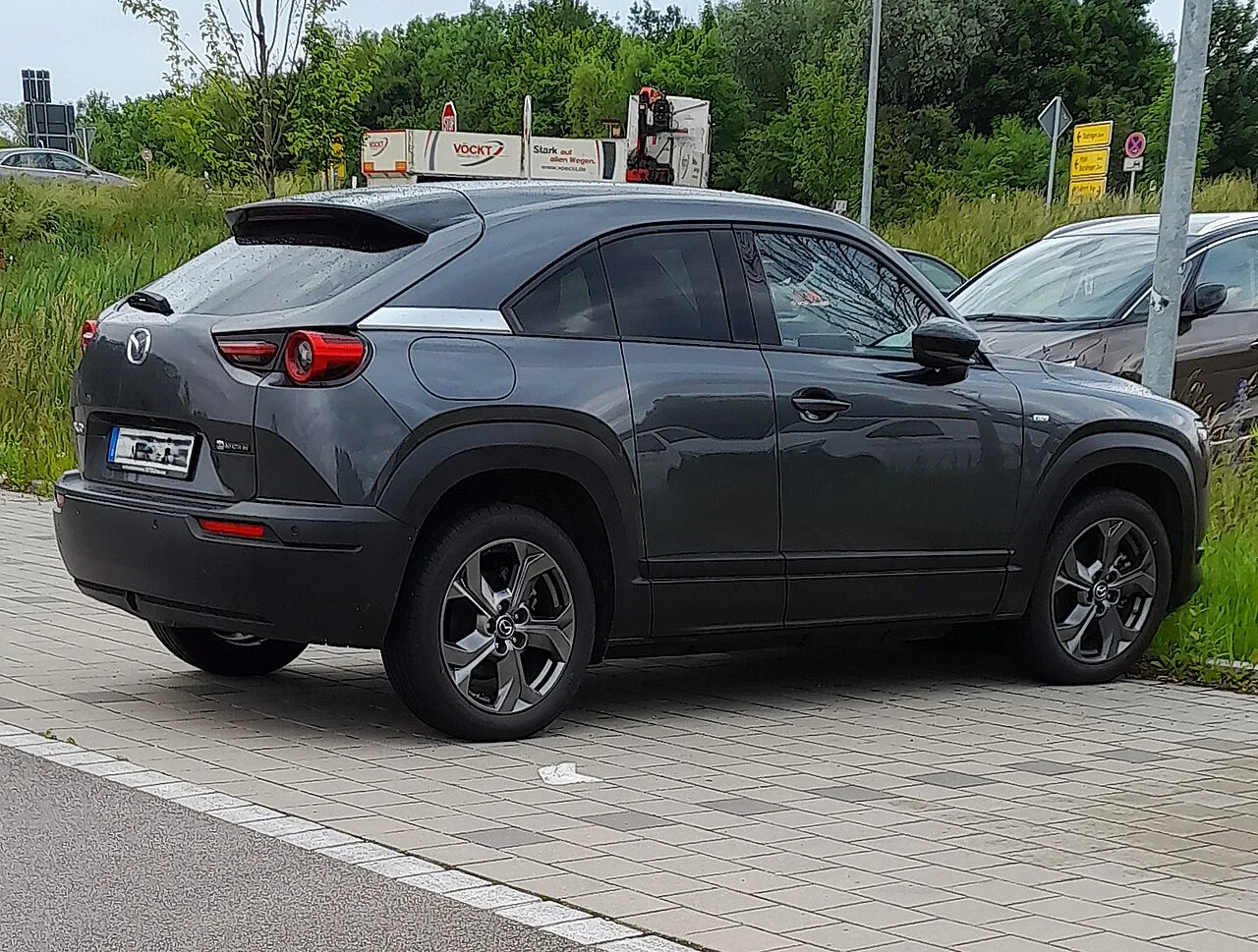
ADAC’s Mazda 6 report records diesel recalls involving injector fixing/sealing, contamination of the oil pickup and potential loss of lubrication. Its overall model verdict is not a blanket condemnation of the Mazda 6. [10]
Unresolved oil pressure? Walk.
What to verify before you buy +
Why the margin is exposed
A previous warning light or a vaguely described “engine flush” is not proof that the cause of a lubrication problem has been resolved.
Verify before paying
Ask Mazda to confirm all applicable campaigns and their completion.
Inspect the service and oil-pressure diagnosis records.
If there are oil-pressure or injector symptoms, obtain an independent cause-and-repair assessment before purchase.
What would change the verdict?
Completed applicable work, a sound diagnostic result and a documented explanation for previous symptoms.
Don’t confuse it with…
Do not apply this diesel recall mechanism to the Skyactiv-G petrol engine. A photographed model does not identify its engine.
24 / 30 kWh versions; battery and charging capability must suit the buyer
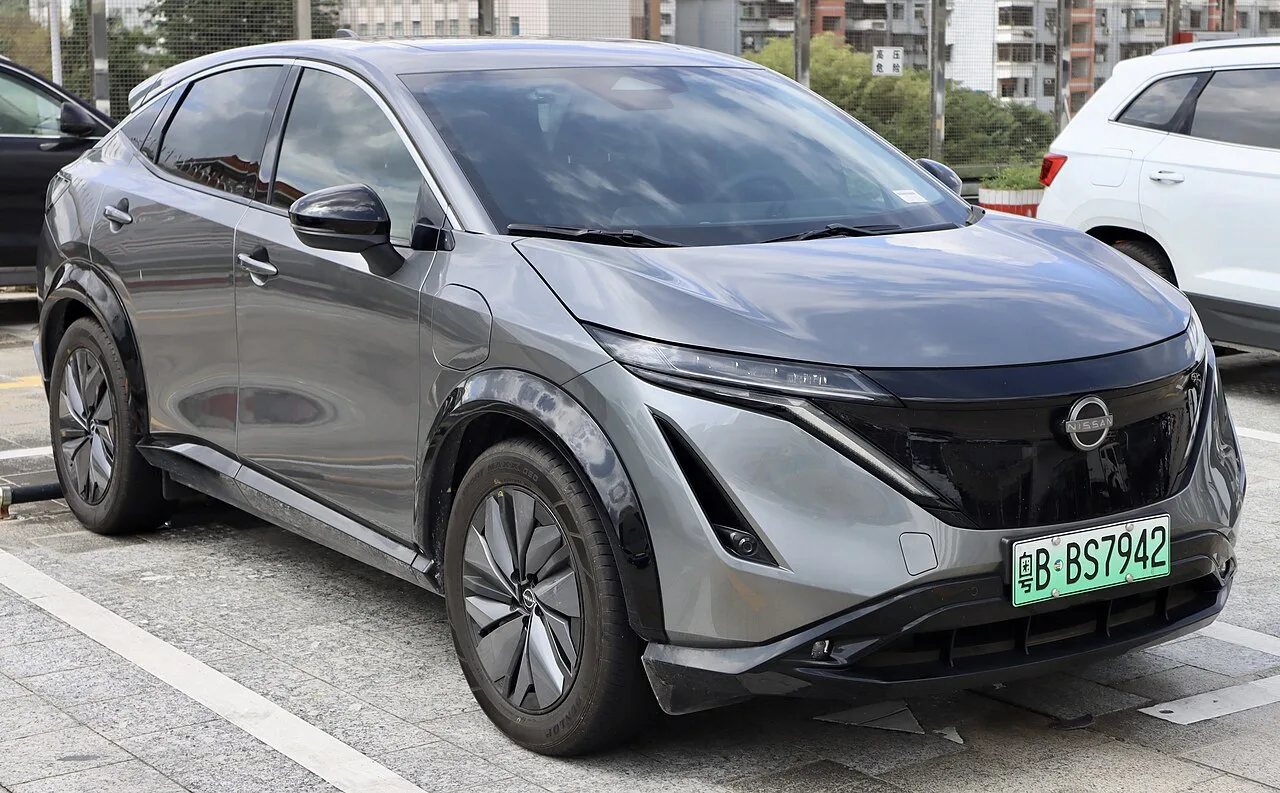
ADAC highlights the first Leaf’s limited long-distance suitability while reporting a successful drivetrain endurance test. The relevant flipping risk is an unverified battery and an unsuitable buyer—not proof that every Leaf is unreliable. [11][13]
No battery report, no range promise.
What to verify before you buy +
Why the margin is exposed
A cheap car with inadequate winter range or the wrong charging capability can have a much smaller local buyer pool than its purchase price suggests.
Verify before paying
Obtain an independent battery-health assessment and check battery ownership.
Demonstrate AC/DC charging as equipped; do not infer charging options from trim.
Test realistic usable range and establish the buyer’s commute, parking and charging access.
What would change the verdict?
A battery/charging report and a clearly identified local-use buyer at a price that reflects the car’s capability.
Don’t confuse it with…
Dashboard capacity bars are not a complete battery diagnosis. Do not invent a universal “unsellable” threshold or promise a free battery.
Earlier and later used examples may have different ownership/lease arrangements
ADAC notes that many used Zoes have rented batteries, adding an ongoing contract cost. Its guide also describes version-specific range and charging differences. [12][16]
Own the paperwork before the car.
What to verify before you buy +
Why the margin is exposed
You cannot confidently advertise a battery-included car until you establish what is actually being sold and whether the contract can transfer across the intended border.
Verify before paying
Get written proof that the battery is owned or obtain the complete lease terms.
Verify settlement or transfer with the relevant finance provider, including export restrictions.
Check battery health and the actual AC/DC charging equipment.
What would change the verdict?
Clear battery title or an expressly accepted, transferable contract, plus a working charging demonstration.
Don’t confuse it with…
An attractive battery lease can be useful to the right buyer. Do not advertise all Zoes as unwanted: UK model-level asking prices were rising in the cited September 2026 data.
Especially inspect the actual condition of first-inspection-age stock
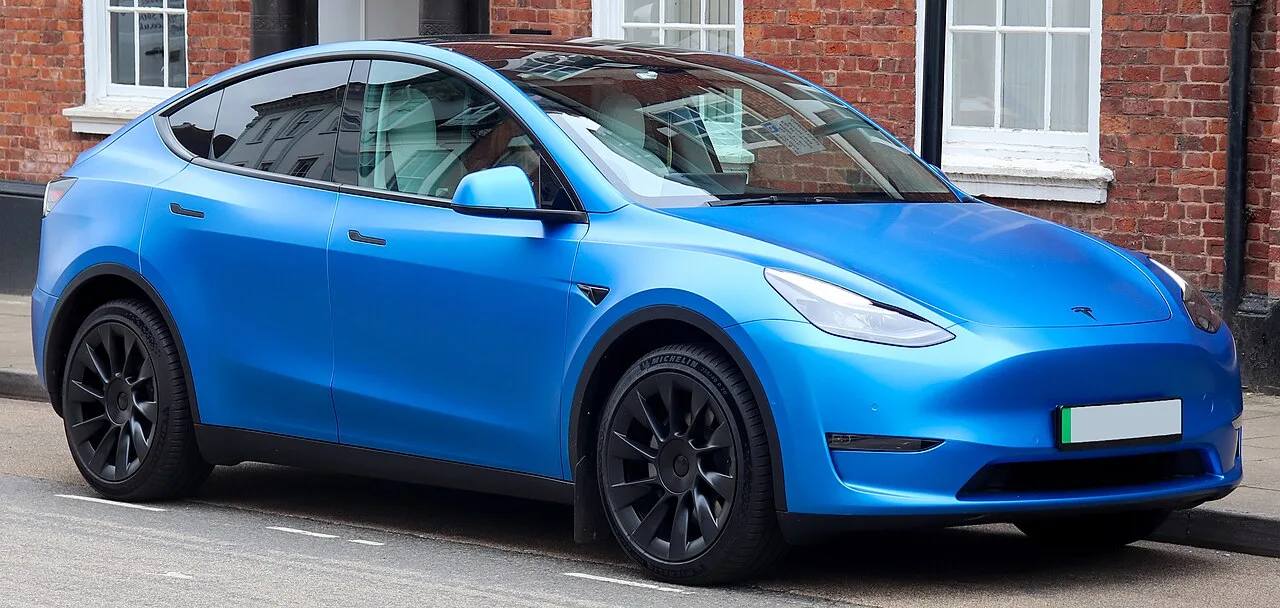
TÜV Report 2026 records a 17.3% significant-defect rate for Model Y cars aged two to three years in its German inspection sample. That is an inspection result, not a 17.3% battery-failure rate. [14][19]
Budget for the car, not the badge.
What to verify before you buy +
Why the margin is exposed
A low service-spend story can become immediate preparation work. Buying without a lift inspection makes the margin depend on assumptions about brakes, tyres and running gear.
Verify before paying
Arrange an independent lift and roadworthiness inspection.
Measure tyre wear and examine brakes and suspension.
Verify accident repair, battery/charging condition and the applicable warranty.
What would change the verdict?
A clean inspection or a complete, quoted preparation list that leaves sufficient margin.
Don’t confuse it with…
Roadworthiness defects, roadside breakdowns, battery failures and resale demand are different measures. The TÜV result does not establish that every Model Y is a bad flip.
Jaguar I-Pace with an unresolved HV-battery recall
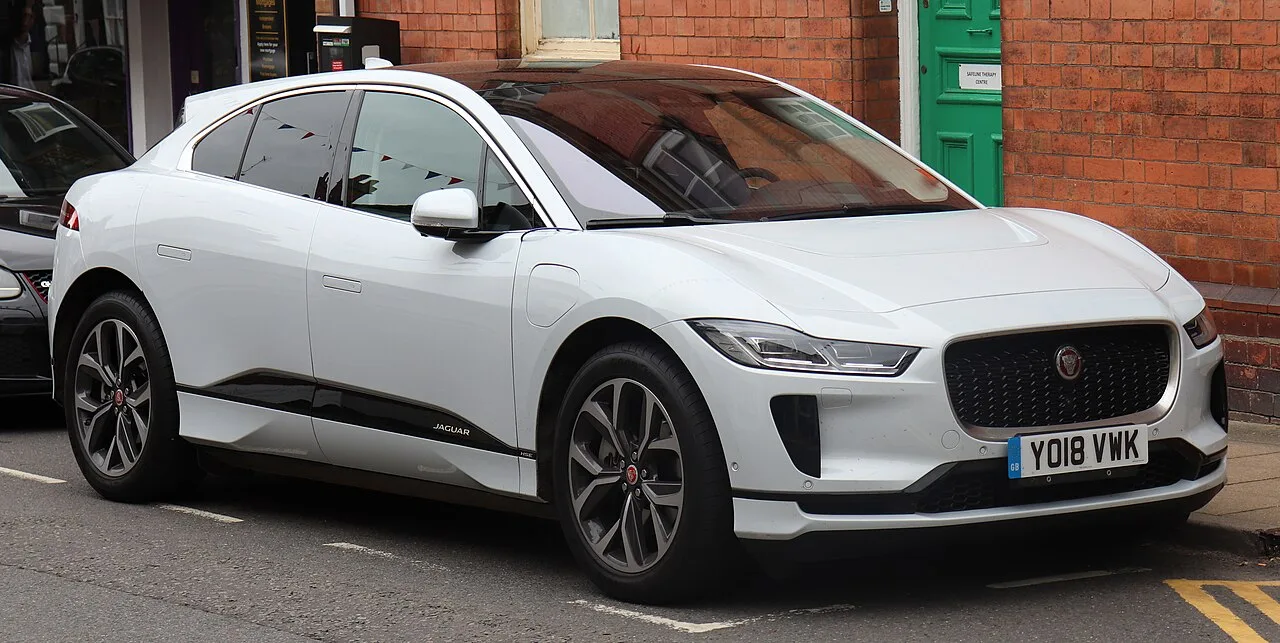
EU alert SR/01468/26 lists production 23 Jun 2017–18 Aug 2020; check the actual VIN
The French government’s EU Safety Gate notice identifies a high-voltage battery overheating/fire risk and directs owners to a dealer. VIN eligibility and the current remedy must be established locally. [15]
Safety campaign open? Do not retail it.
What to verify before you buy +
Why the margin is exposed
A safety restriction, charging limit or remedy delay is not normal cosmetic preparation. You need a safe, lawful handover and a confirmed repair path before considering resale.
Verify before paying
Obtain the manufacturer’s current VIN campaign and completion record.
Confirm any charging, storage, use or sale restrictions in writing.
Have an authorised specialist confirm the actual remedy, lead time and resulting battery/warranty position.
What would change the verdict?
Applicable campaigns resolved, restrictions lifted and the vehicle cleared for its intended use and lawful sale.
Don’t confuse it with…
Do not import a US recall population or remedy into a European deal. Do not assume a previous software update closes every later campaign.
No matching dossiers. Try an engine family, model name or “battery”.
The list is deliberately selective. Absence is not a reliability guarantee; inclusion is not proof that a specific car is faulty. Recall scope, repair eligibility and service requirements must be checked for the actual VIN and country.
What are buyers moving away from?
Country first. Then version. Then price.
“People have stopped buying diesels” and “nobody wants used EVs” are both too blunt to buy stock with. Here is what the available evidence actually measures.
United Kingdom · September 2026−19.2%
Used-diesel demand
Autotrader’s marketplace demand measure fell year-on-year. Used-EV demand rose 40%; petrol and EVs each averaged 28 days to sell. These are UK observations, not a European rule.
Actual registrations fell, but diesels still made up 44.4% of used passenger-car registrations. Used BEV registrations rose 47.6% to a 6.0% share. A shrinking segment can still have a large buyer base.
Autotrader’s September 2026 UK like-for-like asking-price changes. Falling prices can compress a flip margin; they do not prove that a model is unsellable or that completed-sale prices fell by the same amount.
Data:
[16]
UK asking prices, September 2026 versus September 2025. Do not apply these percentages to a Slovenian, German or Balkan valuation.
Three demand traps to avoid
Wrong emissions class for the target city. Check the actual local access order, exemptions and enforcement date. France’s national guidance lists different restrictions by zone; a Crit’Air result is not a Europe-wide ban.
[18]
Price compression while you hold stock. Compare today’s cheapest credible like-for-like retail alternatives and current new-car offers. Last quarter’s trade invoice is not today’s selling price.
Wrong use case. A short-range EV may work well for a local commuter with charging. A diesel estate may work for a high-mileage rural buyer. Buy for that buyer, not an imagined average.
Run a local liquidity check.
Before calling a car “slow selling”, track at least ten genuinely comparable adverts in your target market. Recheck after seven days; contact sellers where practical. Ten adverts is a practical worksheet target, not a statistically representative sample.
Record
Why it changes your decision
Engine, gearbox, year, km, trim, ownership/battery status
Do not compare a manual to a DCT, or a leased battery to an owned one.
Dealer/private status and invoice/VAT basis
Net and gross asking prices are not interchangeable.
Advert age and each price reduction
Long-lived stock and repeated reductions deserve a lower exit assumption.
Still live, seller-confirmed sold, withdrawn or unknown
A removed advert is not proof of a sale.
Buyer fit: city access, range, charging, insurance, financing
A cheap car with no reachable buyer is still dead stock.
Protect the margin before you make an offer.
The purchase price is the result.
Start with a conservative exit price. Subtract every known cost, your required profit and a reserve for bounded uncertainty.
Your maximum purchase price
Another €2,000 of unexpected cost reduces that ceiling to €3,150.
This is arithmetic, not a valuation or repair quote. Use a consistent VAT basis and allow for any tax on the deal. An arbitrary reserve cannot make an undiagnosed engine, unsafe battery or disputed title a sensible purchase. Establish the liability first.
Your next viewing. Bring the evidence home.
0 of 8 checks completed
These checks help you decide whether to commission a proper inspection. They cannot replace one.
01
Confirm engine/gearbox identity, build date, title, finance position and battery ownership where relevant.
02
Ask the seller not to warm the vehicle. Record noises and warnings; absence of a noise is not proof of a sound timing drive.
03
Check dates, kilometres, oil specifications and the scope of timing, gearbox, emissions and battery work.
04
Use the manufacturer or national service for the actual VIN. A previous repair does not close every later campaign.
05
Scan the relevant modules, inspect underneath and investigate existing or recently cleared faults. A basic scanner is not a clean bill of health.
06
Include reverse, gentle pull-away, low-speed traffic and normal load. For an EV, verify charging and battery health.
07
Include labour, parts, VAT where applicable, calibration, transport and realistic lead time—not just the visible failed part.
08
Use local like-for-like stock, access rules and the actual use case. Decide your walk-away figure before negotiating.
Evidence you can check.
Research reviewed 31 October 2026. Mechanical evidence, safety recalls and market data answer different questions. Publisher dates and geographic scope are included below; policies and local restrictions can change.
How to read this guide
Manufacturer policy: acknowledgement and eligibility conditions, not proof that every unit fails or that every buyer can claim.
Recall notice: a safety action for an identified population. Check VIN, current remedy and restrictions locally.
ADAC / TÜV: breakdowns, technical guidance and inspection defects are different measures. Age, mileage and sample eligibility matter; they do not measure your profit.
Market data: asking prices, marketplace demand, registrations and completed-sale prices are different metrics. UK and Austrian observations must not be relabelled “Europe”.
Editorial gates: “pass” and “reconsider” are practical purchasing judgements. There is no invented failure percentage, universal repair bill or guaranteed safer substitute in this guide.
UK service; elsewhere use the manufacturer and national recall authority
Photo credits & reuse licences
All model photographs are locally hosted Wikimedia Commons images. They illustrate the body/model; exact engine, trim and recall status must be checked separately. Images were resized and converted to WebP and may be responsively cropped. The original files and applicable licences are linked below.
2021 Peugeot 208 1.2 PureTech 100 Allure (Front).jpg MoCars / Wikimedia Commons · CC0 · Resized and converted to WebP; displayed with a responsive crop.
2012 Ford Focus SEL Sedan in White Platinum Metallic Tri-coat, front left, 2020-10-13.jpg Elise240SX / Wikimedia Commons · CC BY-SA 4.0 · Resized and converted to WebP; displayed with a responsive crop.
2014 Ford Fiesta Zetec - 1242cc 1.25 (82PS) Petrol - White - 05-2024, Front.jpg Harvey Bold / Wikimedia Commons · CC BY 4.0 · Resized and converted to WebP; displayed with a responsive crop.