The dashboard can be temporarily clean
Readiness monitors and stored diagnostic codes can reveal a recent reset that the warning lights no longer show.
385+ Live Members Currently

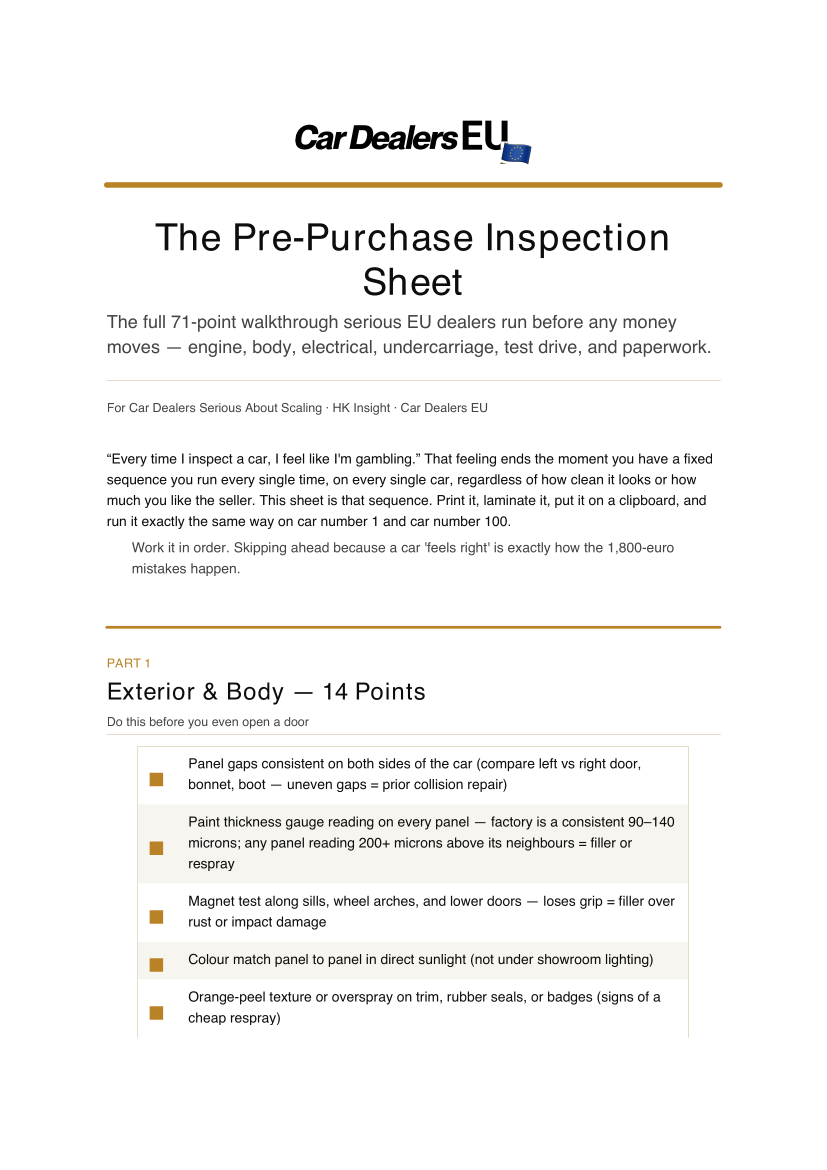
Risk protection before purchase
Turn inspection from a gut feeling into a fixed sequence for body, engine, undercarriage, electrical systems, test drive, and paperwork.
Free to apply · Membership is $30/month · Cancel any time
385+ members
European car dealers and flippers
Every week
Live feedback and current market discussion
Across Europe
Local context connected through one network
The constraint
A clean presentation can hide structural repair, cleared fault codes, weak service history, or a model-specific failure that destroys the expected margin.
Readiness monitors and stored diagnostic codes can reveal a recent reset that the warning lights no longer show.
Paint depth, panel gaps, filler, weld marks, and underbody repair need tools and a consistent physical sequence.
A generic inspection is stronger when combined with exact engine, gearbox, DPF, and service-history risk knowledge.
The inspection order
Consistency protects you from skipping the check that an attractive price or seller story makes inconvenient.
Compare panel gaps, paint depth, glass dates, rust areas, tyres, wheels, and every visible repair indicator.
Require a cold start, inspect fluids, scan stored and pending codes, and check readiness monitors.
Inspect chassis, leaks, suspension, electrical functions, warning lights, steering, braking, gearbox, and load behaviour.
Match the VIN, ownership, service history, and sale documents, then decide from the flag count rather than emotion.
The inspection sheet finds faults. The network helps put those faults into model, repair-cost, and market context.
Research behind the angle
The inspection, toolkit, and vehicle-blacklist research combine a fixed physical walkthrough with OBD diagnostics, paint-depth measurement, service evidence, model-specific failure patterns, and a walk-away score.
Grounded in the Car Dealers EU operating research supplied with this project.
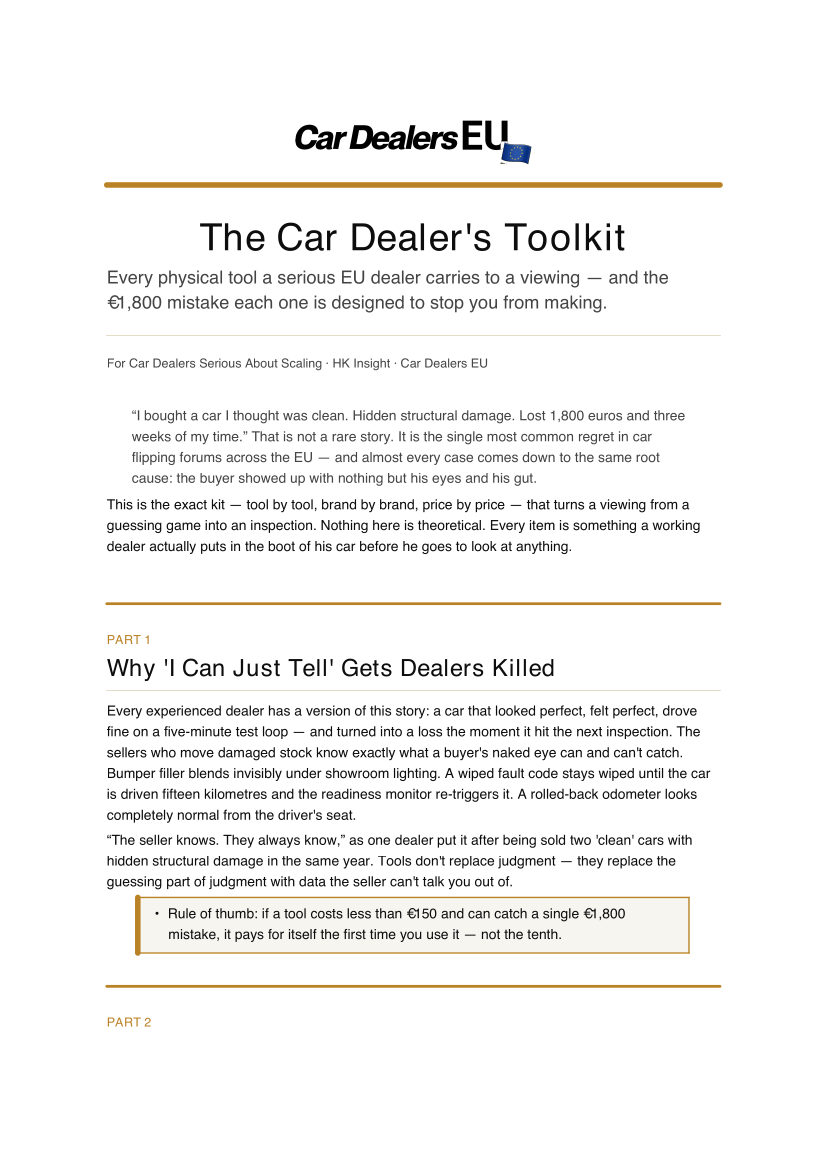
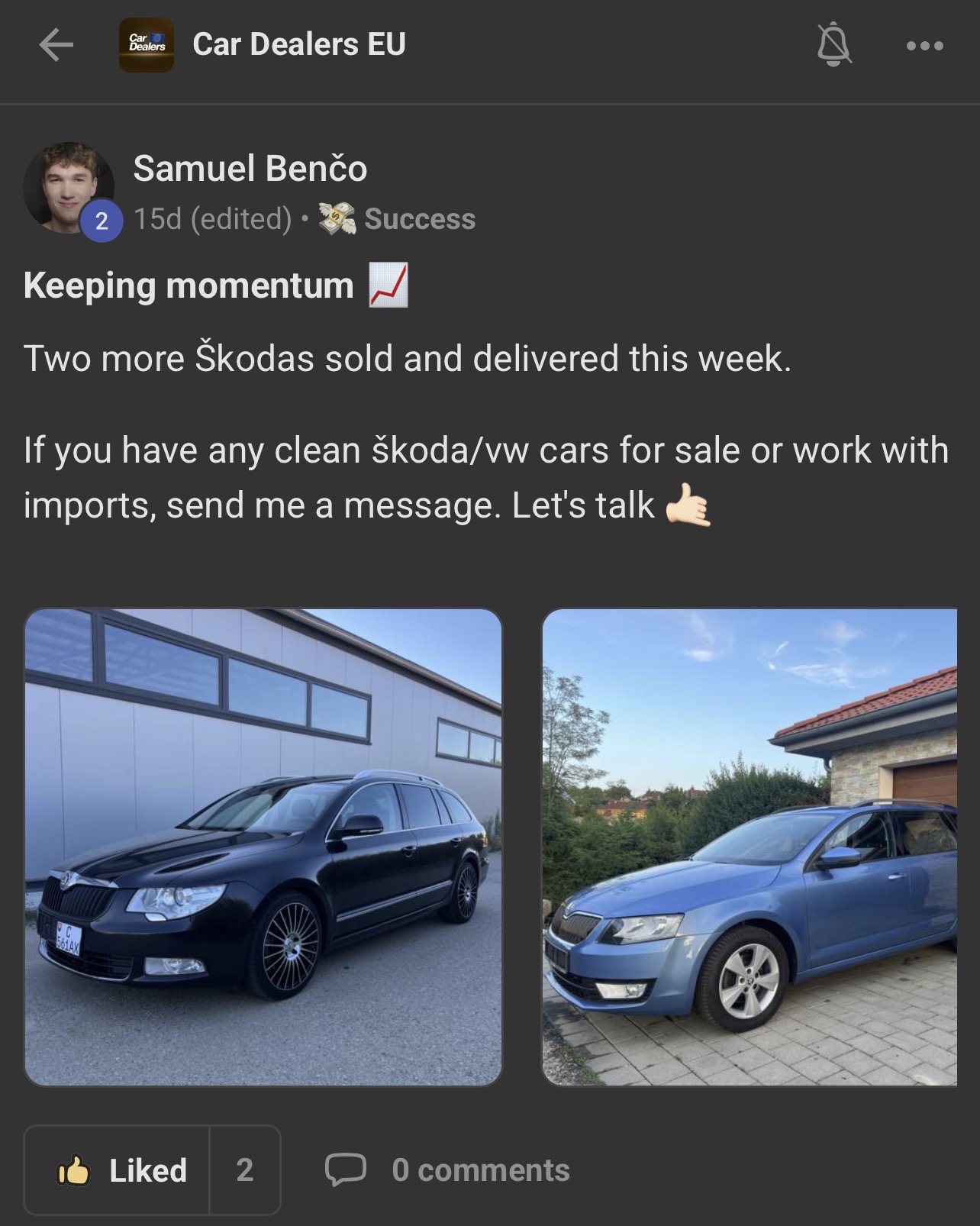
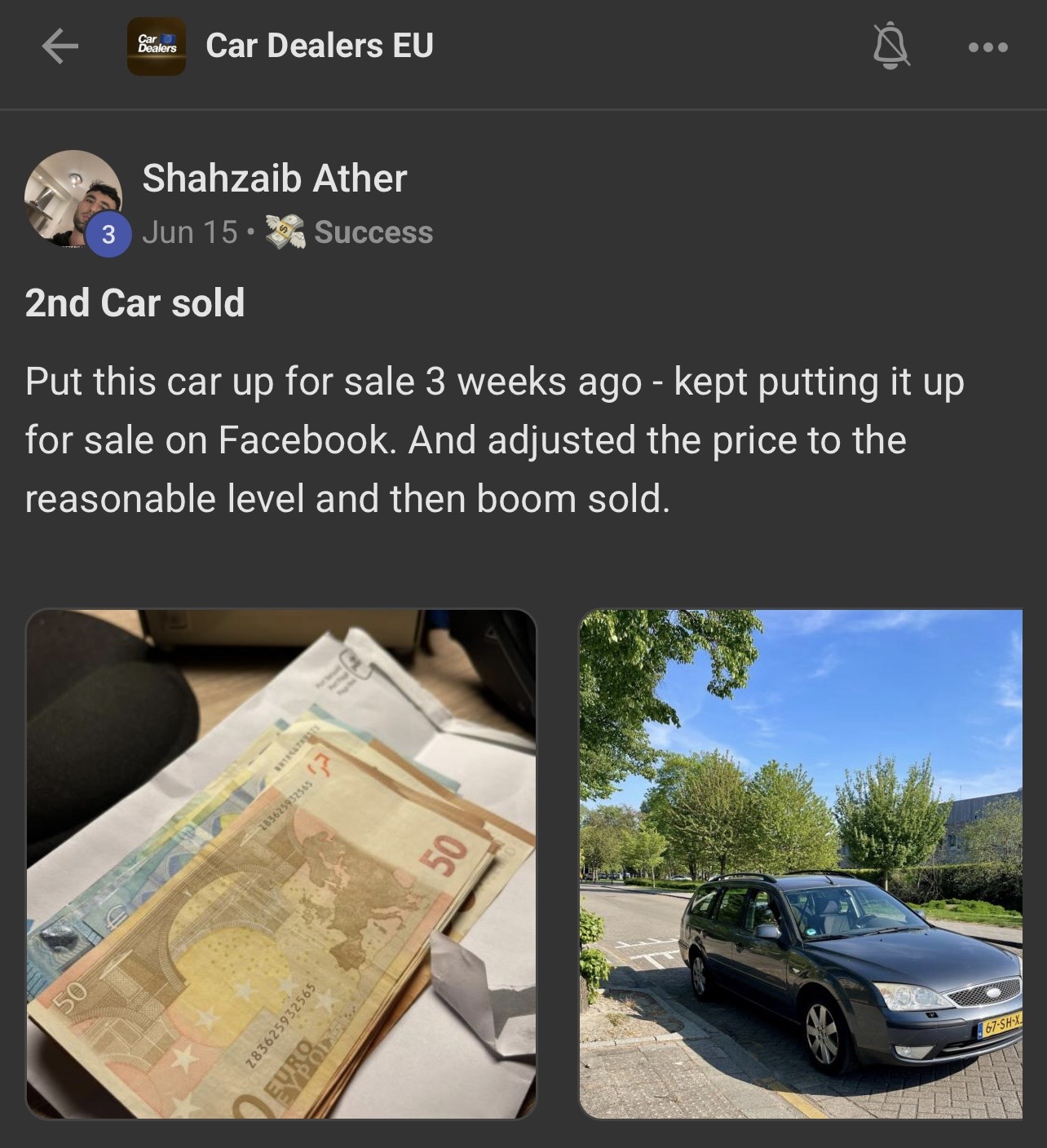
Member proof
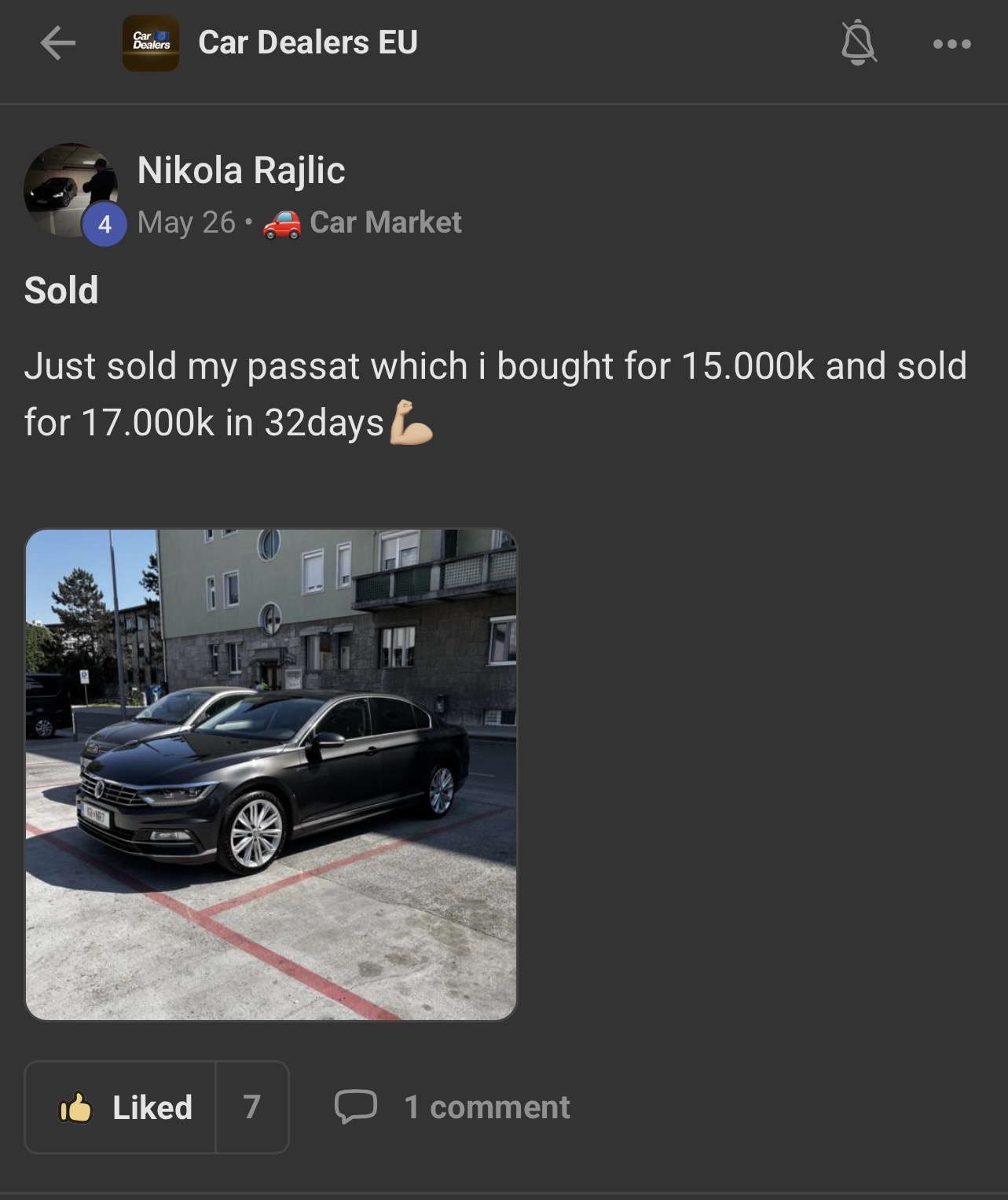
Questions
No. A checklist makes your own inspection consistent, but complex faults and high-risk cars should still be checked by a qualified professional.
A flashlight, magnet, tyre gauges, multimeter, basic OBD scanner, paint-depth gauge, and a printed inspection sheet cover many common blind spots.
No. History reports are useful, but unreported repairs and structural issues still require physical inspection.
Get a realistic repair-cost estimate, understand the model-specific risk, and compare the adjusted landed cost with the resale range and target margin.
More dealer paths
Join Car Dealers EU
Join Car Dealers EU and get more certainty before the purchase becomes your problem.
Free to apply · Membership is $30/month · Cancel any time